Light Your Mood with the Psychology of Scented Candles
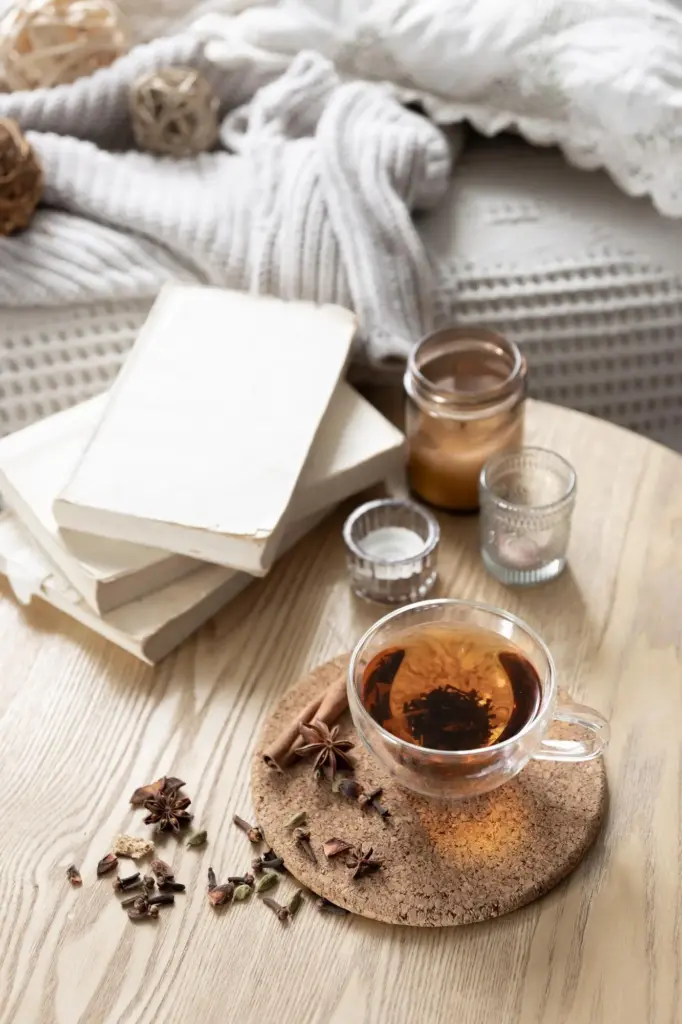
Today we explore scent psychology for candles, selecting fragrances that align with your emotions so every match strike supports focus, comfort, or calm. You will learn how memories, associations, and simple rituals turn wax and wick into steady mood guides. Expect practical pairings, gentle science, and stories you can borrow tonight. Share your current favorite candle in the comments, subscribe for fresh seasonal guides, and let your next flame speak directly to how you want to feel.

Limbic Shortcuts

Olfactory signals reach the limbic system with few detours, which is why a whiff can flip anxiety into ease or lethargy into alertness so quickly. Pair this insight with candles that match the state you want to enter, not the one you feel stuck in. For mornings, brighter blends can tip momentum forward; for evenings, softer woods or lavender can taper overstimulation. Test for ten minutes, breathe deliberately, and track how your body answers the flame.

Memory, Nostalgia, and Triggers

A single aroma can open a door to summers at your grandmother’s house or a rainy semester abroad, amplifying warmth or melancholy without warning. Choose candles that recall supportive memories on purpose, then avoid notes that stir unhelpful associations when you need steadiness. If vanilla comforts you, reserve it for self-care rituals. If smoke reminds you of stress, lean on clean woods or herbs instead. Journal surprises, because knowing your patterns protects tomorrow’s mood.

Stress, Arousal, and Balance

Research often links lavender to reduced sympathetic arousal and peppermint to heightened alertness, yet personal variability matters more than headlines. Use evidence as a map, not a mandate. Start with gentle concentrations, ventilate well, and pause if your body pushes back. Balance happens when your candle supports your nervous system’s next small adjustment, not an extreme swing. When in doubt, pair slower breathing with subtler blends, letting the combination nudge physiology instead of overwhelming it.

Decoding Fragrance Families for Everyday Moods

Families explain feelings faster than ingredient lists. Citrus often signals clarity and motion; herbs feel tidy and attentive; florals soften edges; gourmands cocoon; woods ground; resins invite reflection. Rather than memorizing every oil, remember how these clusters usually behave, then check your exceptions. Build a rotating shelf that mirrors your week: bright for planning, floral for connection, wood for unwinding. This simple structure prevents impulse burns and aligns your space with how you hope to show up.

Build Your Personal Scent Map

General advice is a starting line; your history writes the route. A personal scent map records how specific candles change your energy across rooms, times, and tasks. With a few weeks of curious testing, preferences become patterns and patterns become plans. You will see which blends rescue afternoons, which soften bedtime, and which distract. This simple record replaces guesswork with clarity, letting you shop smarter, rotate intentionally, and carry your best days forward on purpose.

Morning Clarity vs. Evening Unwind

Use energizing citrus-mint blends only during morning planning or stretch sessions, never at night, preserving a crisp association with action. After sunset, switch to lavender-cedar or soft amber, telling your body it is safe to slow down. If you work from home, light your morning candle at the desk and your evening candle across the room to mark boundaries. This spatial cue, plus time-specific scent, trains your day to open cleanly and close gently.

Breathwork and Micro-meditations with Flame

Try a simple pattern: inhale for four, hold for four, exhale for six, repeating while watching the wick stabilize. Choose calmer blends to avoid overstimulation during practice. Let scent mark the beginning and end, then journal one sentence about how you feel. Even three minutes reclaims nervous system space during chaotic afternoons. Keep water nearby, respect fire safety, and never leave your candle unattended. Over time, this pairing becomes a portable calm you can summon anywhere.

Space, Materials, and Throw

The best fragrance for your goal can underperform if materials or room dynamics fight it. Wax type, wick design, vessel shape, airflow, and room size influence diffusion and clarity. Understand these levers and even subtle blends will sing. Small spaces prefer restrained throws; open-plan living needs layered placement. Trim wicks, burn long enough to pool, and store away from heat. Good craft magnifies psychology, turning intention into a consistent, breathable atmosphere you actually enjoy inhabiting daily.

Wax, Wicks, and What They Change

Soy and coconut blends often offer smoother, slower burns, while paraffin can project bold notes quickly. Beeswax brings natural depth but may soften delicate florals. Cotton wicks typically run quieter; wood wicks add gentle crackle but demand attentive trimming. Test how each combination throws in your space, noting soot, mushrooming, and melt pool behavior. Choose the craft that supports your mood goal, not merely the strongest smell. Subtlety can be more effective than volume.

Room Size, Airflow, and Placement

A quiet candle can overwhelm a tiny office yet disappear in vaulted living rooms. Close drafts, avoid vents, and place at mid-height for even diffusion. Consider two smaller candles across a large room rather than one overpowering jar, maintaining clarity without fatigue. Keep away from open windows during mindful practices to preserve consistency. Rotate positions weekly to prevent nose-blindness. These gentle adjustments let your chosen emotion arrive predictably, like a familiar friend knocking at the door.

Safety and Sensitivity Without Compromise

If you are scent-sensitive, start with lighter concentrations, shorter sessions, and excellent ventilation. Favor clean formulations, phthalate-free fragrance oils, or well-diluted essential blends. Always trim wicks to reduce soot, use heat-safe surfaces, and monitor around pets or children. Extinguish with a snuffer to preserve aroma integrity. Comfort never requires risk; careful technique elevates both pleasure and peace of mind. Share any sensitivities with our community to crowdsource gentle alternatives that still honor your emotional intentions.

Blending, Layering, and Creative Pairings

Some moods thrive on nuance. Layering similar or complementary notes can round sharp edges, extend longevity, and articulate complex feelings like bittersweet motivation or tender focus. Treat your home like a symphony hall: different sections play distinct parts, unified by intention. Introduce one new element at a time and observe. Pair candles with gentle music, comfortable lighting, or a matching tea to deepen effects. Then teach your routine to your week, repeating until calm becomes habit.

01

Top, Heart, and Base in the Living Room

Think in chords. A bright top note, such as grapefruit, invites attention; a floral or herbal heart sustains presence; a woody base grounds the experience and slows the breath. Burn a zesty candle near the entry and a quiet wood across the room, allowing the path through your space to evolve emotionally. Keep intensities moderate to avoid competition. This layered, room-length journey steadies transitions, so arriving home gradually becomes the sweetest exhale of your day.

02

Layer Candles with Tea, Music, and Light

Brew jasmine tea with a green floral candle for serene focus, or pair spiced chai with soft vanilla during reflective writing. Choose playlists that echo your scent’s energy, then keep lighting low and indirect to avoid glare. Multisensory alignment compounds results, helping your brain confirm the message from multiple directions. Begin small, document changes, and refine weekly. Share your favorite triads with us, and we will feature creative pairings that bring comfort to more readers.

03

From One-Off Mood Fixes to Weekly Ritual Sets

Design a simple schedule: Monday citrus for planning, Tuesday herbals for tidy execution, Wednesday green florals for connection, Thursday woods for perspective, Friday vanilla for softness, weekend resins for reflection. Repeat for one month, noting energy, sleep, and focus. Adjust concentrations and vessels according to room dynamics. By shifting from spontaneous burns to curated sets, you convert good intentions into dependable outcomes. Post your lineup in the comments, subscribe for seasonal templates, and trade insights generously.